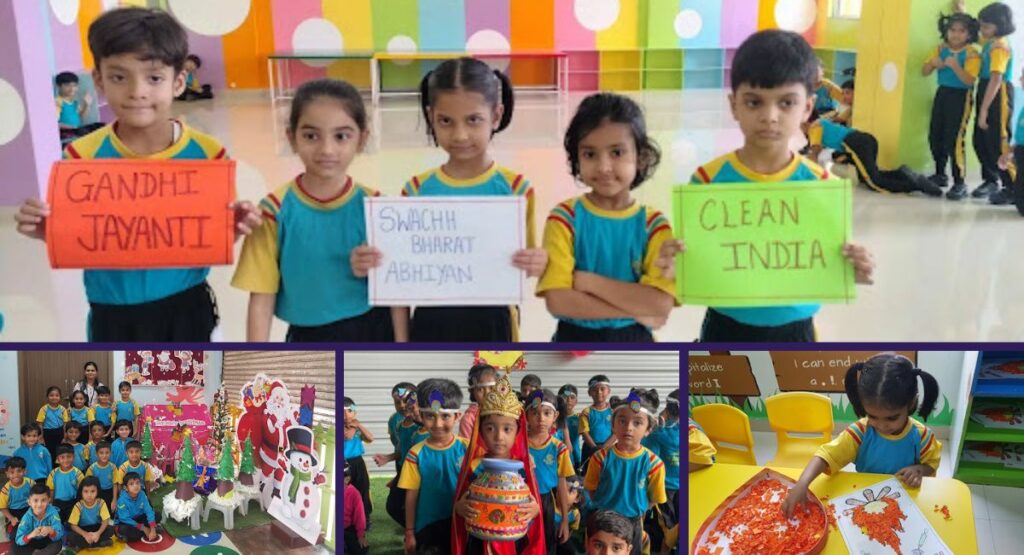
National festivals of India reflect its rich cultural heritage and unity. These celebrations, whether national or religious, bring joy while instilling pride and togetherness. At Walnut School, one of the best CBSE schools in Pune, we emphasize the importance of festivals, ensuring students celebrate them with respect and enthusiasm. Through hands-on activities, cultural performances, and discussions, students grasp their significance while creating a sense of community and diversity. Besides traditional celebrations, we also host a carnival, offering fun activities that encourage creativity and teamwork. Every festival, including the carnival, imparts values like respect, gratitude, and harmony, helping students grow into responsible individuals.
Here, we explore 11 important festivals of India that every student should know about.
1. Republic Day

Celebrated on January 26 every year, Republic Day marks the adoption of the Indian Constitution. It is a day of patriotic fervor, with grand parades in New Delhi and flag hoisting ceremonies across the country. Students at Walnut School participate in cultural events, speeches, and patriotic songs, instilling a sense of national pride and respect for the Constitution.
2. Independence Day

Observed on August 15, Independence Day commemorates India’s freedom from British rule. The day is marked by flag hoisting, parades, and cultural programs. At Walnut School, our students engage in activities such as patriotic plays and flag-making, celebrating the spirit of freedom and unity.
3. Gandhi Jayanti

Celebrated on October 2, Gandhi Jayanti Honours Mahatma Gandhi, the Father of the Nation. As an “October 2 special day,” it promotes non-violence and peace. Walnut School organizes events like clean-up drives and discussions on Gandhi’s principles, making the “Oct 2 holiday” a meaningful experience for our students.
4. Diwali (Deepavali)

Diwali Known as the Festival of Lights, Diwali signifies the triumph of good over evil. Families light Diya’s, burst crackers, and exchange sweets. At Walnut School, students participate in eco-friendly Diwali celebrations, promoting environmental awareness.
5. Navratri

Navratri celebrates the victory of Goddess Durga over evil. This nine-day festival includes dance forms like Garba and Dandiya. Walnut School encourages students to learn and participate in these dances, helping them appreciate different cultures.
We organize workshops and performances where students explore the history and significance of Navratri, creating a deeper connection with the festival. Through these activities, we promote values of teamwork, tradition, and cultural understanding, ensuring the celebration is both educational and enjoyable for all our students.
6. Janmashtami

Janmashtami marks the birth of Lord Krishna. The festival involves “dahi handi” competitions and devotional songs. Walnut School’s students enjoy storytelling sessions about Krishna’s life, connecting them with Indian traditions.
7. Guru Pournima

Dedicated to honouring teachers, Guru Pournima is a day of gratitude. Students at Walnut School have a different view. They thank their mothers who are their first guru on Guru Pournima. This is a typical Walnut tradition which has been followed from the very beginning.
8. Makar Sankranti / Pongal / Lohri
Celebrated in different regions under various names, these festivals mark the harvest season. Walnut School organizes cultural activities showcasing regional traditions, in the carnival, which includes these types of festivals.
9. Holi

The Festival of Colours, Holi, signifies the arrival of spring and the victory of good over evil. Students enjoy safe and vibrant celebrations with organic colours at Walnut School. We also engage students in storytelling sessions, thereby teaching them the cultural significance of Holi while also promoting the values of joy, togetherness, and inclusivity. Moreover, through these activities, we ensure that students not only celebrate the festival but also fully understand its deeper meaning.
10. Raksha Bandhan

Rakshabandhan celebration is the bond between siblings. Students at Walnut School exchange rakhis and gifts, emphasizing love and family values.
11. Christmas

Christmas is celebrated worldwide to honour the birth of Jesus Christ. At Walnut School, students participate in activities such as decorating Christmas trees, singing carols, and exchanging gifts. The school organizes plays that depict the story of Christmas, emphasizing the values of kindness, love, and generosity. Through these celebrations, students learn the significance of spreading joy and caring for others, fostering an inclusive environment where all cultures are respected.
Walnut School Celebrates Every Culture with Respect and Joy
At Walnut School, festivals and events bring everyone together while also providing valuable learning experiences. By celebrating the national festival of India alongside regional and religious festivities, the school fosters unity, respect, and joy among its students. Through interactive activities, cultural performances, and discussions, As top cbse schools in pune we ensure that students understand the significance of each festival, promoting values of harmony and inclusion.
India’s festivals, whether national or religious, are a testament to its diversity and unity. By celebrating these festivals, we not only honor our heritage but also pass on the values of respect and togetherness to future generations. As Walnut School exemplifies, festivals are an opportunity to learn, grow, and celebrate as one community.
To learn more about the cultural and religious significance of India’s festivals and their role in uniting the nation, visit India’s Festivals.
Frequently Asked Questions About National Festivals of India
Q1: What are the national festivals in India, and why are they significant?
A: National festivals in India, such as Republic Day, Independence Day, and Gandhi Jayanti, are celebrated to honour the country’s history, values, and unity. They instill a sense of patriotism and pride among citizens. At Walnut School, these festivals are celebrated to help students understand their importance and foster respect for the nation’s heritage
Q2: How does Walnut School celebrate Independence Day?
A: Walnut School celebrates Republic Day with flag hoisting, cultural events, patriotic songs, and speeches. These activities help students develop respect for the Constitution and a sense of national pride.
Q3: Why is Gandhi Jayanti an important day for students?
A: Gandhi Jayanti, celebrated on October 2, promotes the values of non-violence and peace. At Walnut School, students engage in activities like clean-up drives and discussions about Mahatma Gandhi’s principles, making it a meaningful learning experience.
Q4: What are the main religious festivals of India covered in the blog?
A: The blog highlights major religious festivals, such as Diwali, Navratri, and Janmashtami. Additionally, it covers Guru Pournima, Holi, Rakshabandhan, and Makar Sankranti/Pongal/Lohri, showcasing India’s rich cultural diversity. These festivals showcase India’s cultural richness and diversity.
Connect With Us
Ready to experience innovative education firsthand? Reach out to us through any of these convenient channels:
📱 Quick Connect: Message us on WhatsApp 📞 Call Us: 020 3500 7900
Visit Our Campuses
Experience our state-of-the-art facilities at:
Start your child’s journey towards excellence today. Schedule a campus visit or connect with our admissions team for more information.