Art education begins in kindergarten and continues as a regular subject throughout the student’s journey at Walnut. Click Here to see how Art is taught in kindergarten years.
Weekly Class Structure
Weekly Class Structure
Std 1-4 : 2 classes per week.
Std 5-10 : 1 class per week.
Beyond Traditional Drawing
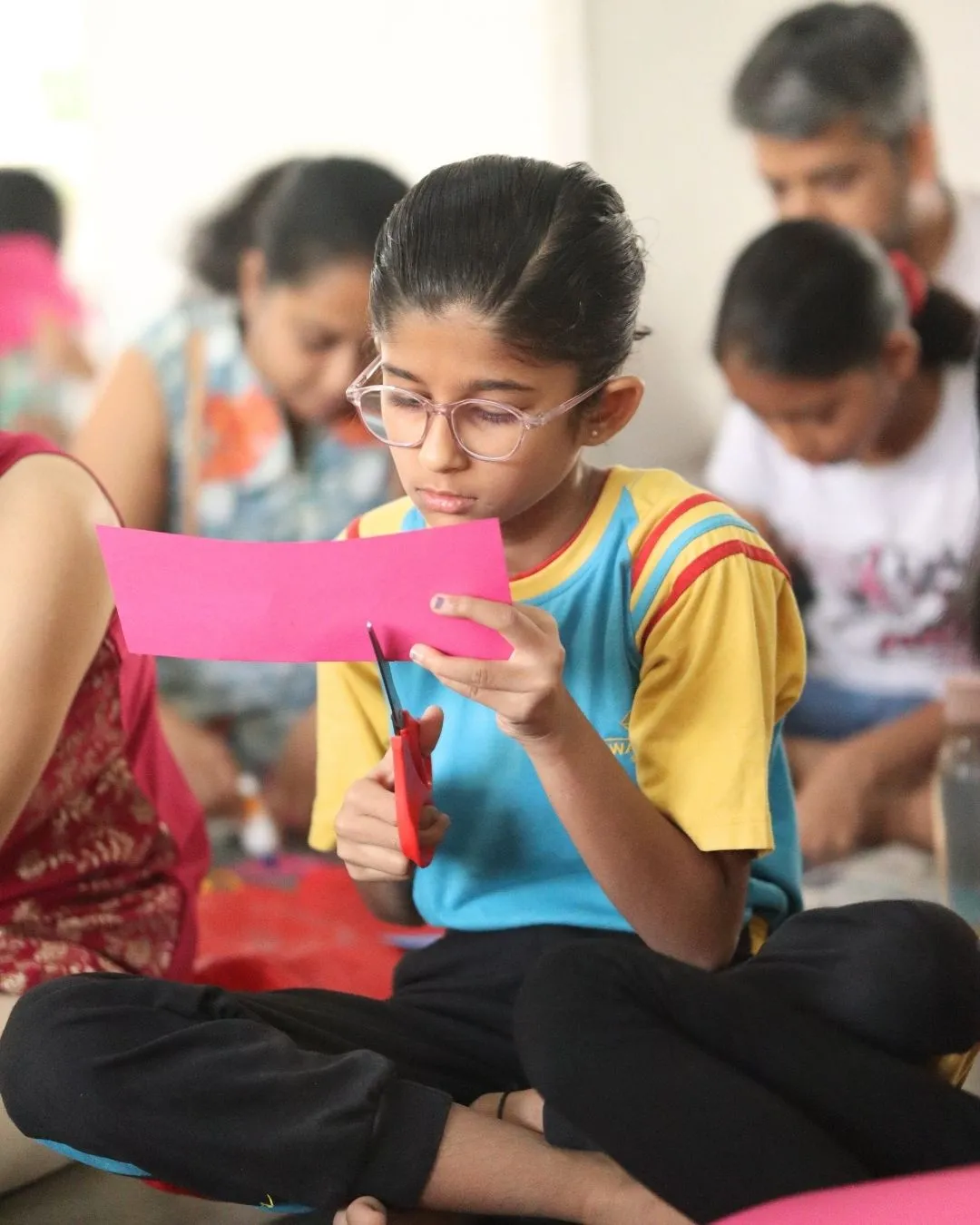
Students don’t just create typical drawings. We encourage experimentation with mixed media, stencils, and diverse artistic techniques to develop a comprehensive understanding of visual expression.
Comprehensive Skill Development
- Creativity and Imagination : Students experiment with colors, textures and creative techniques, nurturing artistic expression and free creative thinking that enhances problem-solving across all subjects.
- Design and Aesthetic Sense : Students develop aesthetic appreciation, visual thinking and understanding of proportion and composition – skills that transfer to presentation abilities and visual communication.
Visual Expression as Communication
Visual Expression as Communication
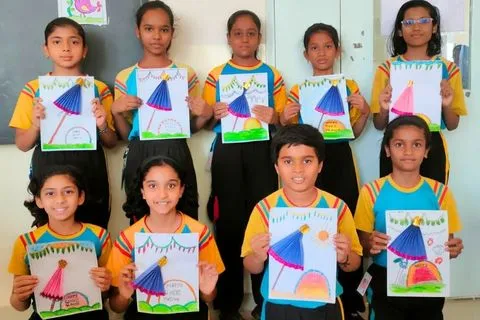
Art serves as another form of expression at Walnut. Students learn to communicate ideas in visual formats, a skill that proves valuable in higher classes when presenting concepts, creating projects, and explaining complex topics across subjects.
Structured Learning Approach
- Regular curriculum: Systematic skill building through weekly classes.
- Festival integration: Special art and craft activities connected to cultural celebrations.
- Technical development: Progression from basic techniques to advanced artistic methods.
Formal Recognition and Achievement
The Walnut Art Advantage
Formal Recognition and Achievement
Students receive guidance for Elementary and Intermediate Drawing Grade Examinations, with consistent success in these formal assessments validating their artistic development.
👉 Click here to see Elementary Drawing Grade Exam results.
👉 Click here to see Intermediate Drawing Grade Exam results.
The Walnut Art Advantage
Through consistent art education from early childhood through secondary school, students develop not just artistic skills but visual thinking abilities, creative problem-solving approaches, and aesthetic sensibilities that enhance their overall educational experience and personal expression.
Because creativity isn’t just about art – it’s about thinking differently.