Why Our Grade 10 Results Start in Kindergarten

Every year, when CBSE results come out, parents ask us the same question: how do your students perform so consistently? The honest answer is that what you see in Grade 10 is the result of ten years of preparation — not ten months.

The Problem with Last-Minute Preparation
Most schools treat Grade 10 as the year everything happens. Content is rushed through. Extra classes are called. Students stay back. Weekends get sacrificed. Families spend the year in a state of controlled panic.
And yet, even with all of that, results are unpredictable — because the foundation was never solid enough to support the weight of board exam preparation.

At Walnut, we work the other way around. By the time our students reach Grade 10, the hard work is mostly already done. Grade 10 becomes the year we refine, practise, and test — not the year we scramble to cover ground.

Here is how that happens, grade by grade.

The Foundation Years: Kindergarten to Grade 2

Why Our Grade 10 Results Start in Kindergarten
Every year, when CBSE results come out, parents ask us the same question: how do your students perform so consistently? The honest answer is that what you see in Grade 10 is the result of ten years of preparation — not ten months.

The problem with last-minute preparation

Most schools treat Grade 10 as the year everything happens:

  • Content is rushed through
  • Extra classes are called
  • Students stay back and have so many extra classes
  • Families spend the year in a state of controlled panic

And yet, even with all of that, results are unpredictable — because the foundation was never solid enough.

At Walnut, we work the other way around. By the time our students reach Grade 10, the hard work is mostly already done. Grade 10 becomes the year we refine, practise and test — not the year we scramble to cover ground.


image
Rocket svg

The foundation years: Kindergarten to Grade 2

Board exam performance ultimately comes down to three things: reading with comprehension, writing with clarity, and thinking with logic. All three are built — or not built — in the earliest years of school.

Safe Transitions

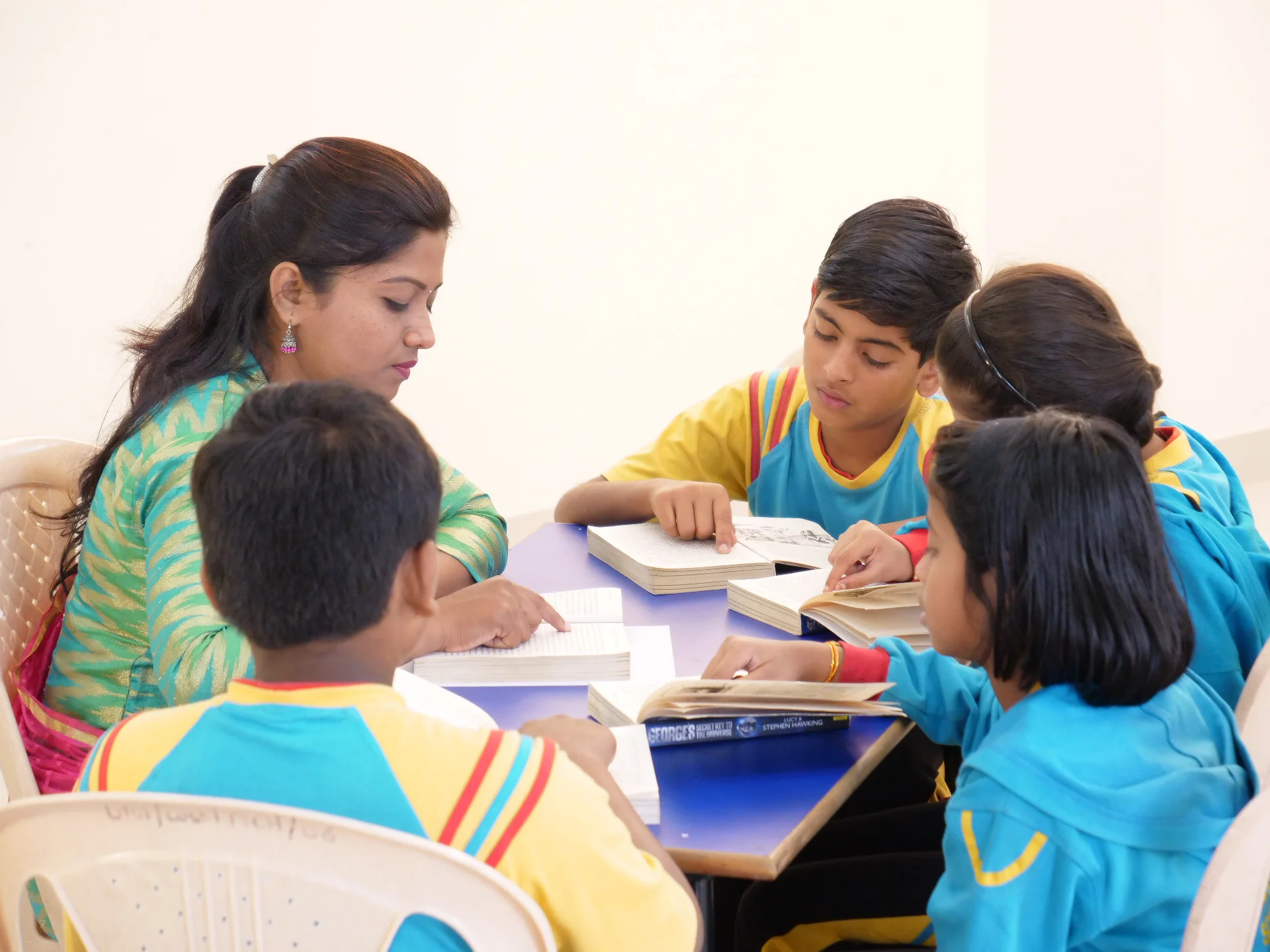
  • Reading – Systematic phonics from Nursery. By Senior KG, children read at a Grade 2 level. When they enter Grade 1, they are already reading NCERT textbooks independently.
  • Thinking – Intelligence and Strategic thinking classes from Grade 1 — logic, reasoning, pattern recognition. Not an extra. Part of the regular timetable.
  • Writing – Dedicated Language Arts classes in Grade 1 and 2. Students learn to organise their thoughts and express them clearly. Then, the systematic creative writing program steadily levels them up. This is a skill that pays dividends in every descriptive paper they will ever write.
image
Rocket svg

The building years: Grades 3 to 7

By middle school, Walnut students are consistently a year ahead of their peers. Being ahead creates room — for deeper understanding, for questions, for revision, and eventually for multiple prelims in Grade 10 without calling students for extra classes.

How these years shape Grade 10:

  • MCQ practice from Grade 3 in every subject – Reading questions carefully, eliminating wrong answers, managing time. These skills take years to develop.
  • Full novels in English from Grades 4 to 7 – Building reading stamina, vocabulary and the skill and techniques to write longer and detailed answers across subjects.
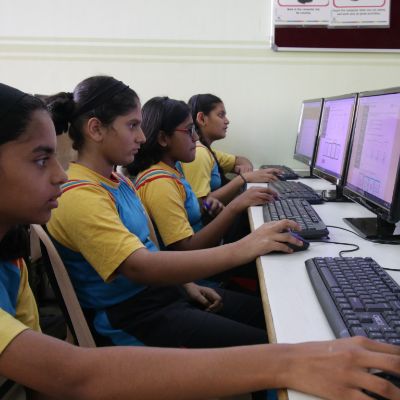
  • Weekly skill-building classes throughoutConcept Preview Lab, Computational Thinking, Strategic Thinking, Hands-On Science — each building a different dimension of thinking that shows up in exam performance.
image
Rocket svg

The acceleration years: Grades 8 and 9

The acceleration years: Grades 8 and 9

Walnut School

Board exam curriculum begins from Grade 8 — with time to go deep, not just cover the syllabus. Our regular exam pattern continues up to the prelims.

After every chapter
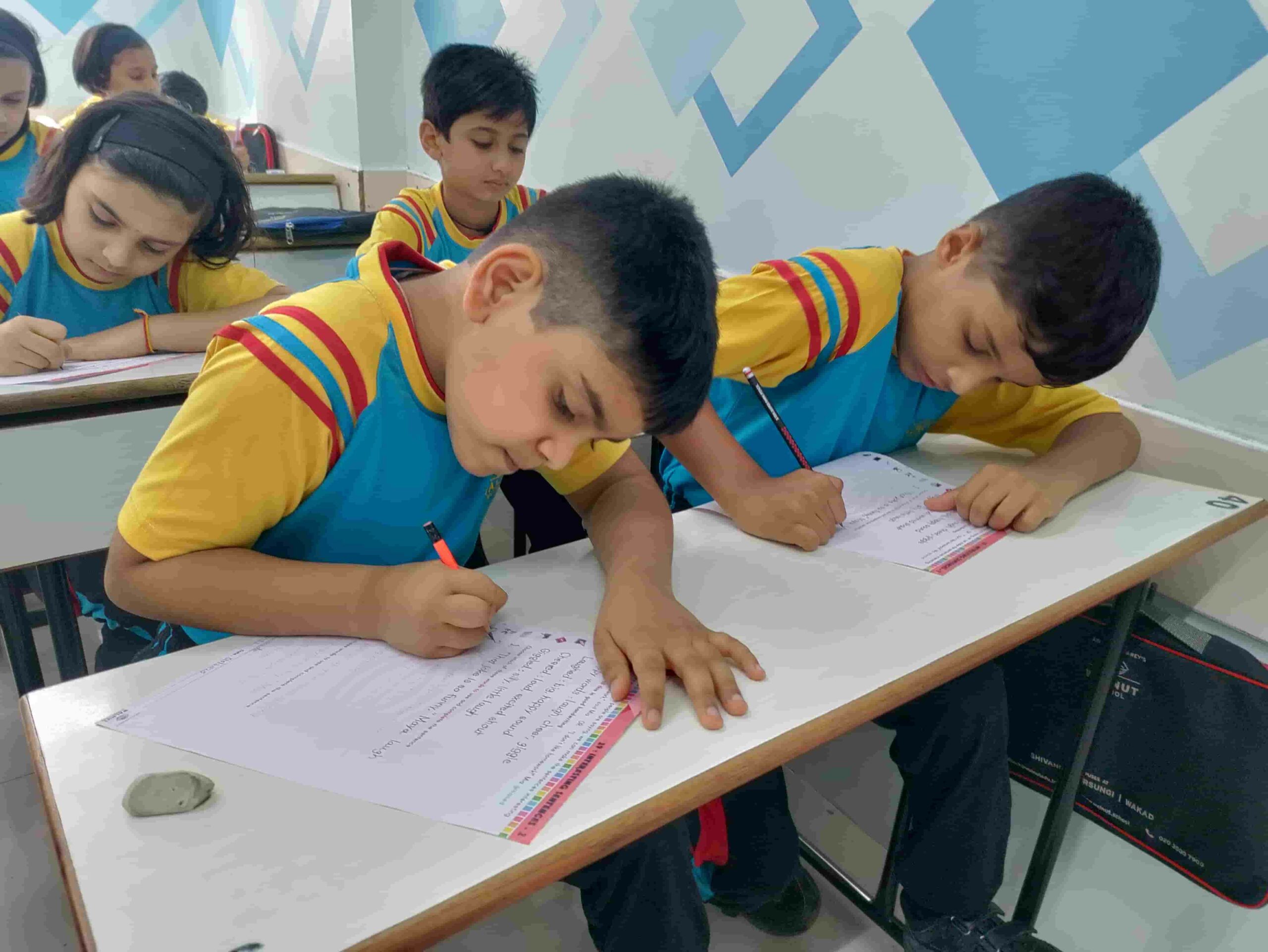
Dedicated revision periods and Try-A-Tests. Four separate sets of question papers per chapter — students sitting next to each other answer different papers. All four sets are shared with everyone, creating a comprehensive question bank across two full years.

Differential Teaching from Grade 6

Students grouped by subject ability, not section. Regrouped after every two units. Fast learners get more challenging material. Students who need support get it — structured, not stigmatising.

By the time Grade 10 begins, students have been working with board-pattern content and board-pattern tests for two full years. The boards don’t feel like a leap. They feel like a continuation.

The execution year: Grade 10

The execution year: Grade 10

Six rounds of prelims — 2 half-prelims + 4 full prelims:

Each exam carefully analysed
Teaching adjusted to fill gaps. Students receive specific, individual feedback after every round.

Retests for students who need to improve
Structured opportunity to learn from mistakes and demonstrate improvement. Focus is always on what they can do next — not what went wrong.

Advanced papers for high performers
Tougher HOTS (Higher Order Thinking Skills) questions. Builds stamina for anything the board exam can present.

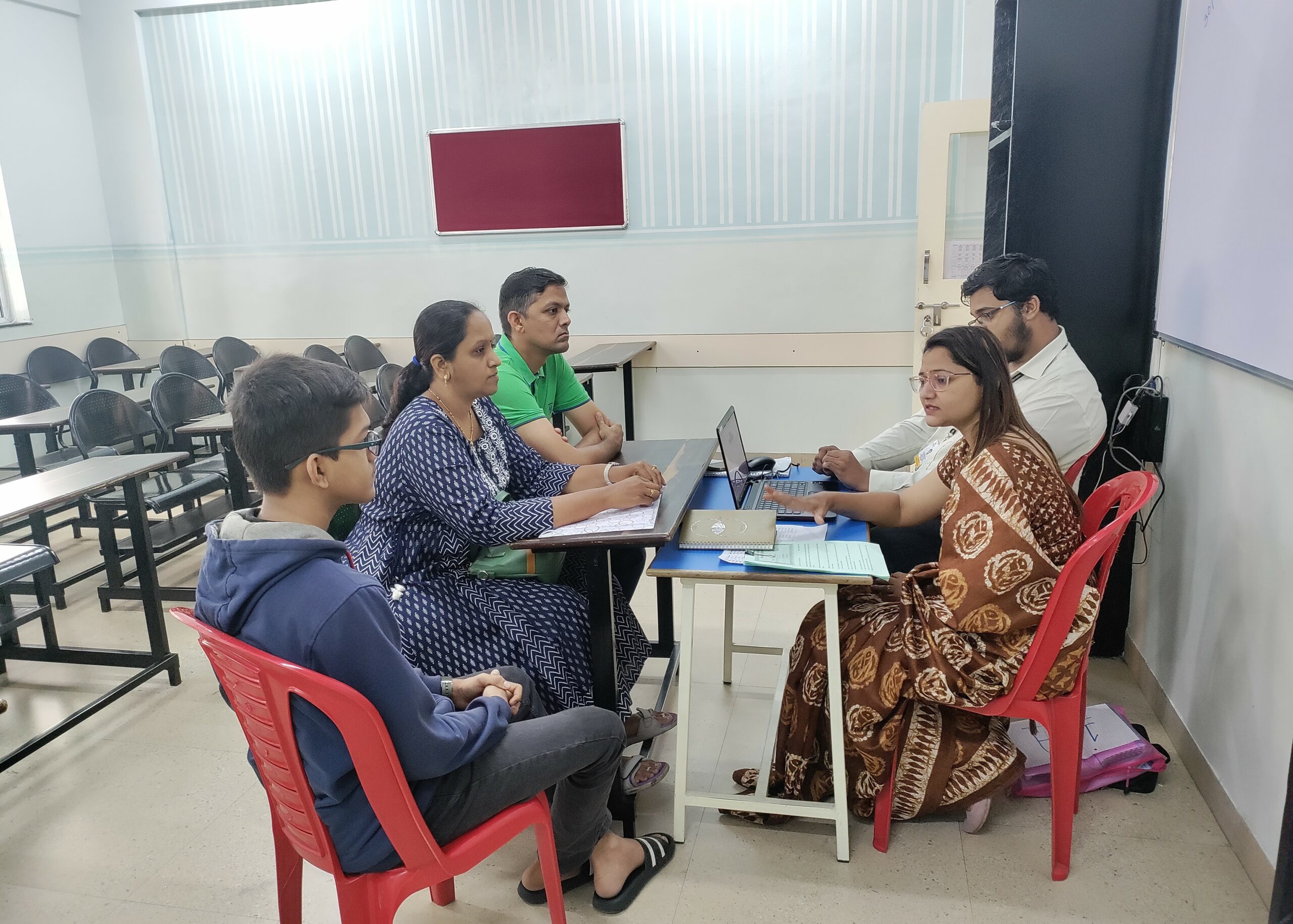
Goal-setting meetings with every student and parent
Students prepare their own targets before the meeting. Teachers review performance, share feedback, guide next steps. Builds discipline and self-assessment that carries forward beyond Grade 10.

And all of this within school hours. No extra classes. No weekend sessions. No staying back. Students arrive at their board exams rested, confident, and genuinely ready. By the time the actual boards arrive, they feel — as our students often describe it — like just another prelim.

Goal Settting

Goal Settting

Walnut School

The 10th grade holds a special place in a student’s life, as it marks the beginning of their official academic record. Beyond that, it’s a year filled with opportunities, responsibilities, and the potential for great achievements.

The way to achieve success not only academically but in life as well is only through discipline, consistency and hard work. Shortcuts may seem tempting, but they seldom lead to lasting accomplishments. As a school, it is our responsibility to instill long term values. Hence, we encourage our students to make a mindful promise to themselves – a promise to work hard and to be serious about it.

To help our students channelize their efforts, we follow a goal setting exercise to “put things down on paper”.

How do we do this?

  • Get an estimate from the student for achievable goals
  • Teachers review these goals and keep them realistic
  • An “agreement” between the teacher and the student is made
  • The agreement is on a “stamp paper”
  • The agreement has clearly defined goals
  • Parents are the witnesses
  • Signed in a closed room setting

Like with our office work, these goals also need tweaking from time to time.
We have a formal process in place for periodic review after every prelim:

  • Have the goals been reached? What was the deviation?
  • Were they working as per plan?
  • What adjustments can be made?

This ability to be agile and adaptive is a valuable life skill. Through continual self-assessment and tweaking their approach, students learn to stay on track.
The key here is to keep doing this as a habit, not as a one-time activity to achieve success. It is just a matter of time!

While the teachers do the heavy lifting of teaching, testing and assisting students, parents have to just make sure that the guidelines given are being followed. So this is again, a hassle-free process for parents – even in Std. 10!
Here are some guidelines that parents need to follow:

    • Create a realistic routine to follow – can simply follow the Time Management ideas given
    • Print it and put it up in an easily visible common area

Success often follows a hockey stick progression – initially challenging, but gradually becoming more manageable. This is where the compounding effect of hard work truly shines. We want our students to get into a virtuous cycle of achievement.

What this means for your child, right now

If your child is in kindergarten, Grade 3 or Grade 7 — they are already in the middle of this preparation.

Every reading session, every Intelligence class, every chapter test, every novel they work through — it is all part of the same chain.
The Grade 10 result is not a destination that appears suddenly at the end. It is the sum of everything that happens in every year before it.

The Grade 10 result is not a destination that appears suddenly at the end. It is the sum of everything that happens in every year before it.