We don’t usually talk much about what happens after kindergarten ends. But every year, as our Standard 1 classrooms settle in, we notice the same thing. Students who have come through Baby Walnut are settling in very differently from those who haven’t.
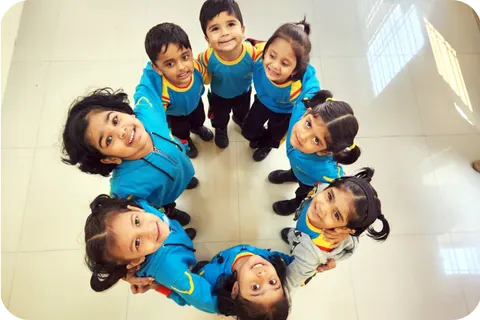
Beginning their work without hesitation
Understanding instructions quickly
Writing with greater comfort and fluency
Adapting smoothly to classroom routines
When we step back and look at this, the reason becomes very clear. If you think back to what you saw during your visit, or what we discussed then—this is exactly what it leads to.
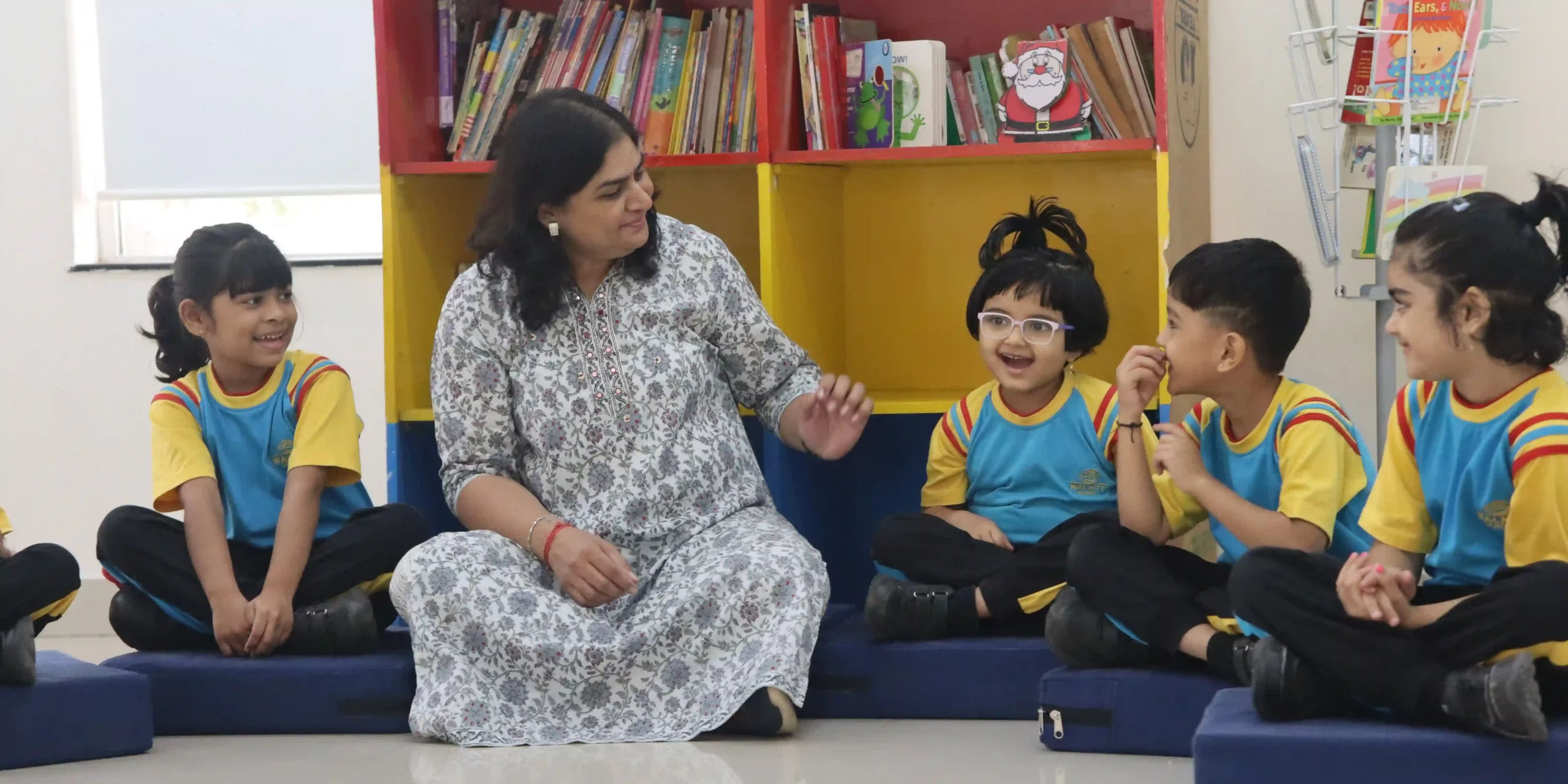
Most Kindergarten programs introduce reading and writing. At Baby Walnut, the difference lies in how this is designed, structured and sequenced.
Built on structure
- Order in which concepts are introduced
- Materials presented and revisited systematically
- Structured classroom periods
- Consistency of daily practice
Result in Standard 1
- Instructions feel easier to follow
- Writing feels more natural
- Tasks completed with confidence
- Classroom expectations feel familiar
They are not just recognising words—they are reading with understanding.
They are not just tracing or copying—they are writing independently.
They are not just completing tasks—they are doing so with clarity and confidence.
Through the science that they learn, students are continuously exposed to language and vocabulary. This means they are not only learning how to read and write, but also:
And this is where something very powerful happens.
Understanding improves → they read better
They read better → they write better
They write better → they become more confident
This creates a virtuous cycle—where each skill strengthens the other. It happens because it is built systematically, step by step, in the right sequence.
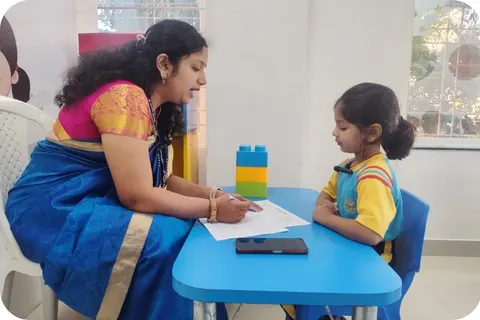
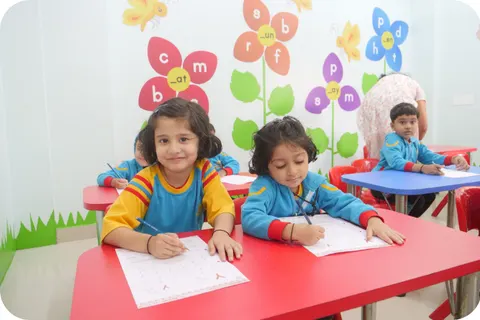
This becomes even more noticeable when students join from different Kindergarten backgrounds.
Many are still developing writing stamina, have only done some 3 lettered words writing and reading and often need repeated instructions to begin. All this naturally makes the transition slower and the struggle to “catch up” begins.
And that’s when it becomes very clear: what is built over time cannot be quickly recreated later.
The early years are not about pushing children harder.
They are about building things at the right time.
When strong foundations are built early:
Children understand instructions more easily
They don’t feel lost or overwhelmed
They are able to work independently
Learning becomes smoother and more enjoyable
At this stage, every family is already investing time and effort into their child’s early years. The real difference lies in how that time is used.
When each day is structured well, small gains add up. Skills build steadily. Confidence grows naturally. And over time, this creates a clear advantage.
When that structure is missing, the time still passes—but the same level of foundation is not built. And this is time that cannot be revisited later. This is not about doing more. It is about making those years count.
We thought of sharing this with you as a reflection – because during your visit, this is exactly what we were trying to explain.
Often, the difference is not immediately visible at the Kindergarten stage. But when it begins to show, it becomes very clear. And once it becomes visible, it is difficult to ignore.
Warm regards,
Team Walnut
Want to know more about Baby Walnut?
Are you looking for a school that gives your child the strongest possible start? We’d love to speak with you.
Take the next step:- Schedule a campus visit
- Explore our admissions process
- Speak directly with our counselling team
💬 Chat on WhatsApp
Office Hours: Mon – Fri: 9 am to 3 pm | Sat: 9 am to 2 pm